A history of money in Italy
How did Italy move from regional currencies to the lira and then the euro? A national lira replaced regional currencies from 1862, while most of the former states’ note-issuing banks retained the right to issue notes. Italy adopted the euro in 1999; euro cash followed in 2002.Source: Bank for International Settlements, Italy — Historical monetary and financial statistics for policymakersOpens in a new tabGo to the list of sources Source: European Central Bank, Our moneyOpens in a new tabGo to the list of sources
The opening sections show coins from different places and periods.
Coins from Syracuse and Rome
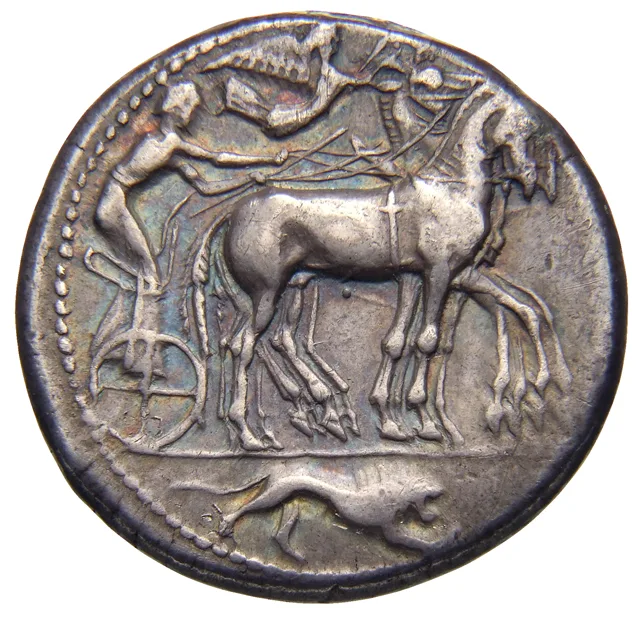
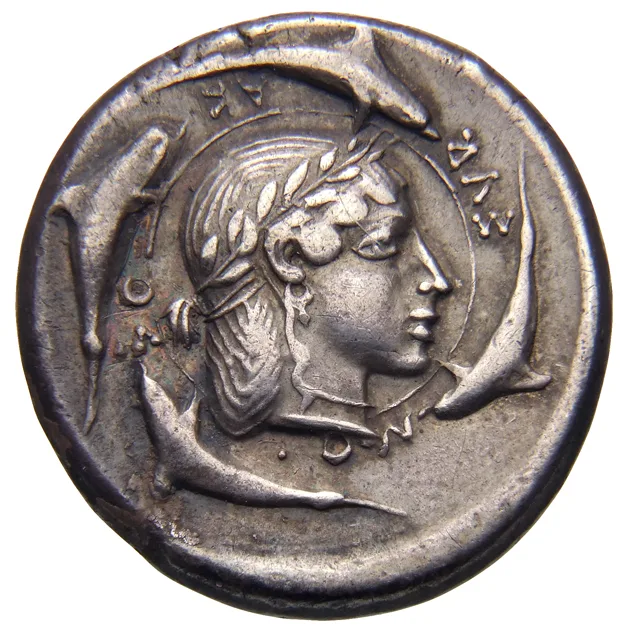
Syracuse, in Sicily, issued the silver tetradrachm shown below. This denomination was worth four drachms. Berlin’s Münzkabinett dates the coin to 480–460 BCE. A charioteer drives a team of horses on one face, with Nike above. On the other, dolphins surround the head of Arethusa.Source: Staatliche Museen zu Berlin, Syrakus, 480–460 BCEOpens in a new tabGo to the list of sources
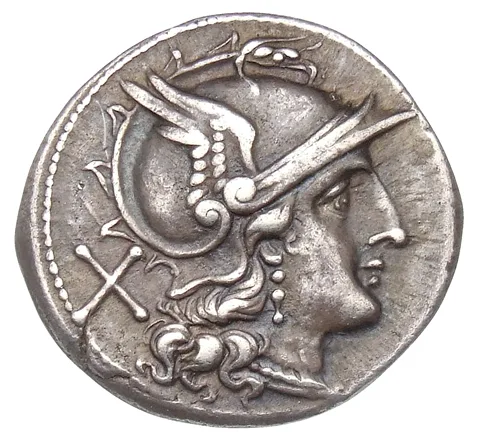
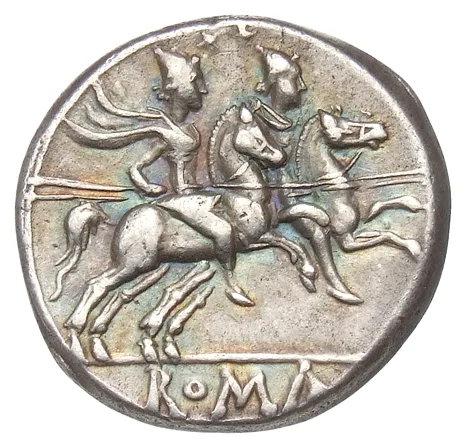
Rome’s denarius became its principal silver denomination for almost five centuries. Excavations at Morgantina in Sicily help place its introduction between 215 and 211 BCE. The example below, dated from 211 BCE, shows a helmeted Roma on one side and the Dioscuri on horseback on the other.Source: Staatliche Museen zu Berlin, Römische Republik, from 211 BCEOpens in a new tabGo to the list of sources
Aquileia’s denaro
The patriarch of Aquileia issued coins. Volume VI of the Corpus Nummorum Italicorum catalogs a silver denaro under Poppo, patriarch of Aquileia from 1019 to 1045. Its description records a bearded, crowned head on one side and a small temple on the other. The catalog groups this coin with smaller mints of the Veneto; it treats Venice’s large output in separate volumes.Source: Corpus Nummorum Italicorum, original volumes V–VIII, Corpus Nummorum Italicorum, vol. 6 (1922): Veneto minor mints and Dalmatia–AlbaniaOpens in a new tabGo to the list of sources
Frederick II’s gold coin
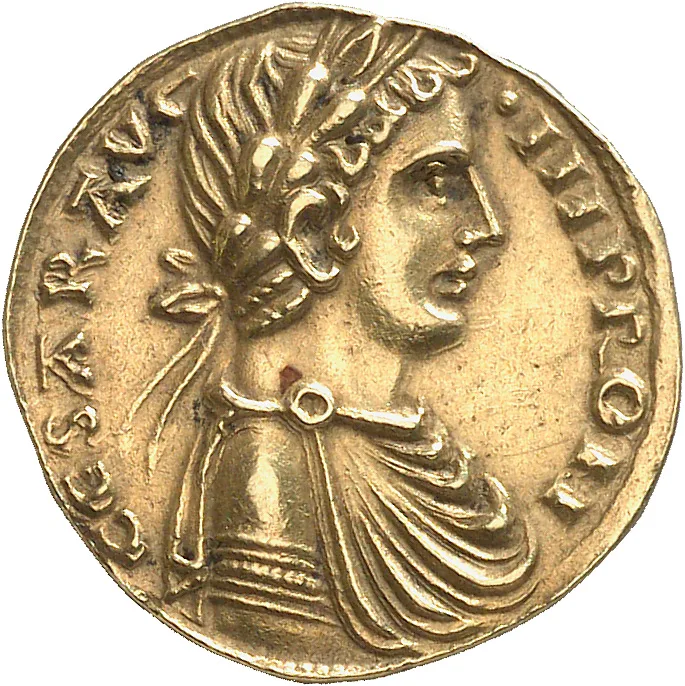
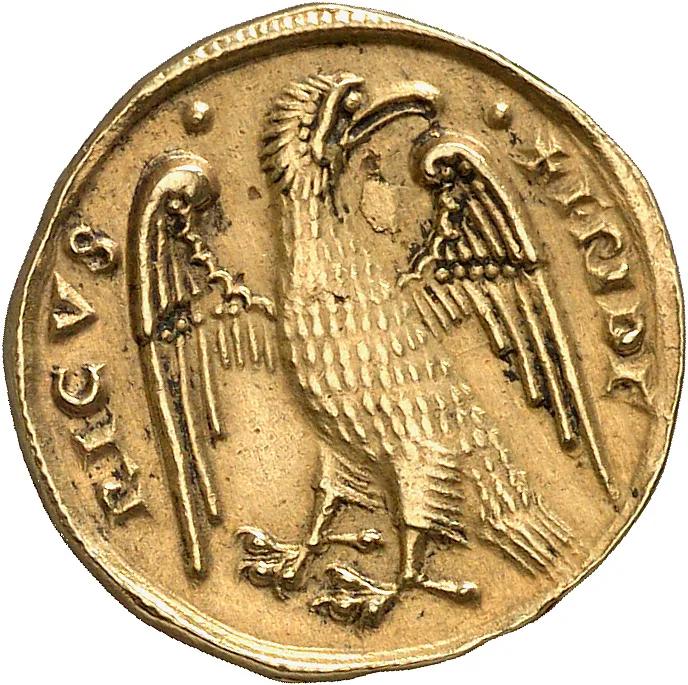
This gold coin of Frederick II dates to 1231–1250. The record reports that the literature assigns it to Brindisi because of the two pellets above the eagle. Frederick wears a laurel wreath and an imperial cloak on the other face.Source: Staatliche Museen zu Berlin, Sizilien: Friedrich II., 1231–1250Opens in a new tabGo to the list of sources
Gold coins of Florence and Venice
Florence began minting gold coins in 1252. Its florin was worth a lira of account, a unit of 20 soldi, each divided into 12 piccoli. The gold coin served larger payments; people used small silver coins in everyday transactions. Venice’s A Venetian council in which noble families participated. The record dates the Serrata, which restricted membership to those families, to 1296.Source: Istituto Centrale per il Catalogo e la Documentazione, Catalogo generale dei Beni Culturali, record 0500641091Opens in a new tab decided in 1284 to mint a gold coin matching the Florentine florin’s weight and purity. The Venetian ducat then provided another gold coin for trade.Source: Deutsche Bundesbank, Sign of the lily: gold florin of FlorenceOpens in a new tabGo to the list of sourcesSource: Deutsche Bundesbank, Let this be given to you, O Christ: the ducat of VeniceOpens in a new tabGo to the list of sources
Volume VII of the same catalog records a ducat under Doge Giovanni Dandolo (1280–1289), showing St. Mark handing him a banner and Christ on the reverse.Source: Corpus Nummorum Italicorum, original volumes V–VIII, Corpus Nummorum Italicorum, vol. 7 (1915): Venice from its origins to Marino GrimaniOpens in a new tabGo to the list of sources
Coins before unification
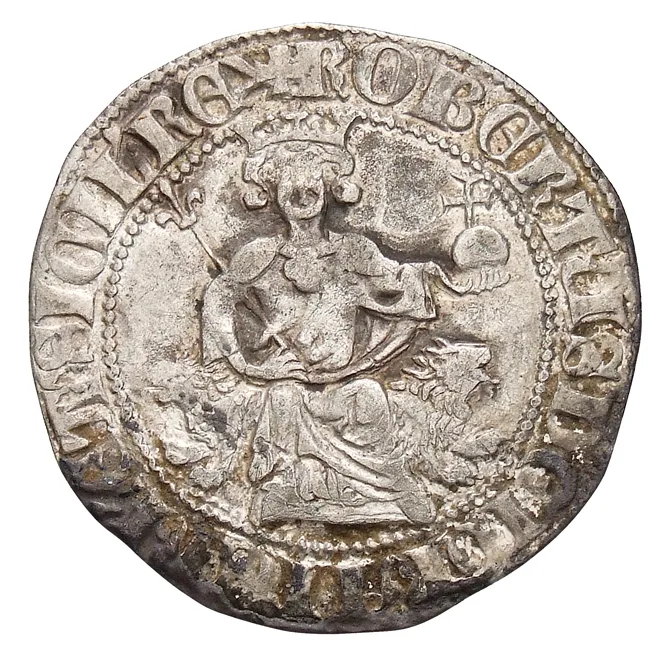
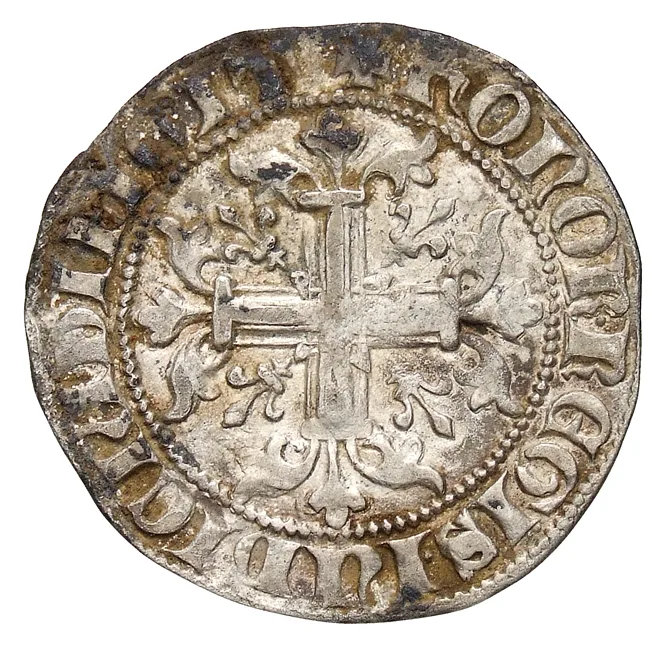
A silver gigliato in Berlin is assigned to Robert of Anjou, king of Naples, and the Naples mint in 1309–1317. It shows him seated with a scepter and orb; a cross ending in lilies fills the reverse.Source: Staatliche Museen zu Berlin, Neapel: Robert von AnjouOpens in a new tabGo to the list of sources
Genoa issued its own gold genovino. The Italian cultural heritage catalog dates one example to 1339–1344 and describes a cross and a small castle within decorative arches. The National Museum of American History holds another genovino, with the broader catalog date 1139–1339.Source: Istituto Centrale per il Catalogo e la Documentazione, ICCD coin record 0100452986Opens in a new tabGo to the list of sourcesSource: Smithsonian Open Access, 1 Genovino, Genoa, Italy, 1139 - 1339Opens in a new tabGo to the list of sources
A Savoy gold ducat in the National Museum of American History is dated 1434–1465.Source: Smithsonian Open Access, 1 Ducat D'oro, Savoy, 1434 - 1465Opens in a new tabGo to the list of sources
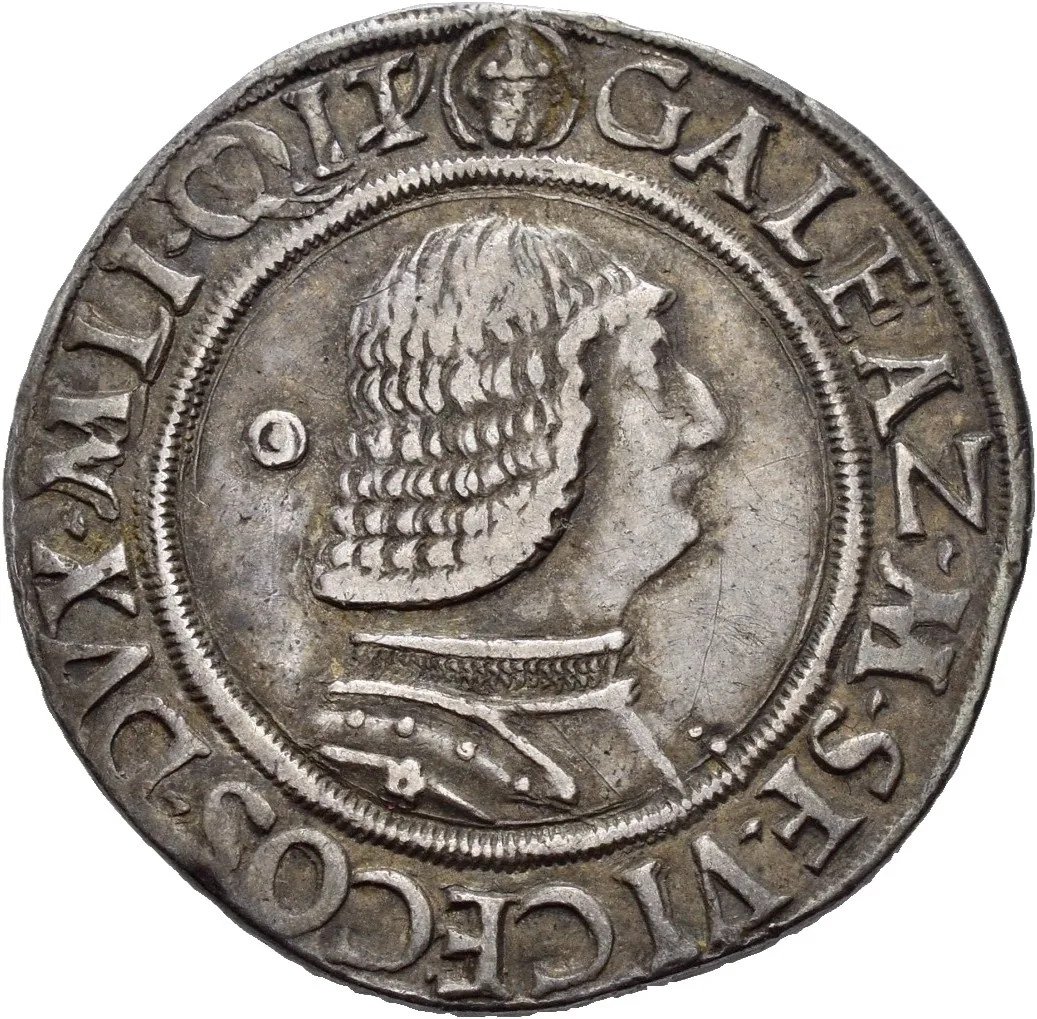
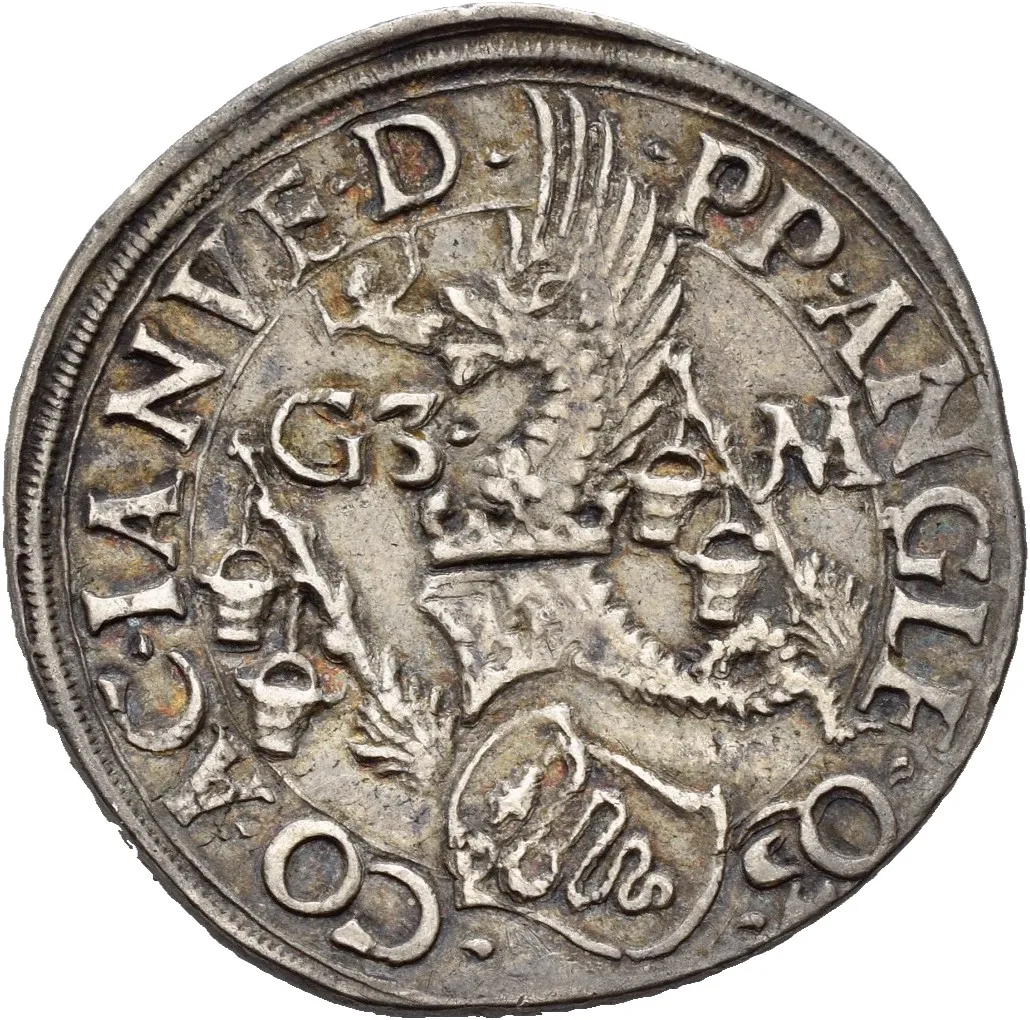
Berlin's silver testone of Galeazzo Maria Sforza is assigned to the Milan mint and dated 1466–1476. The inscription around the armored portrait names the duke; the other side carries the Sforza coat of arms with a serpent.Source: Staatliche Museen zu Berlin, Mailand: Galeazzo Maria SforzaOpens in a new tabGo to the list of sources
The National Museum of American History records a silver testone from Florence dated 1533–1536.Source: Smithsonian Open Access, 1 Testone, Tuscany, Italy, 1533-1536Opens in a new tabGo to the list of sources
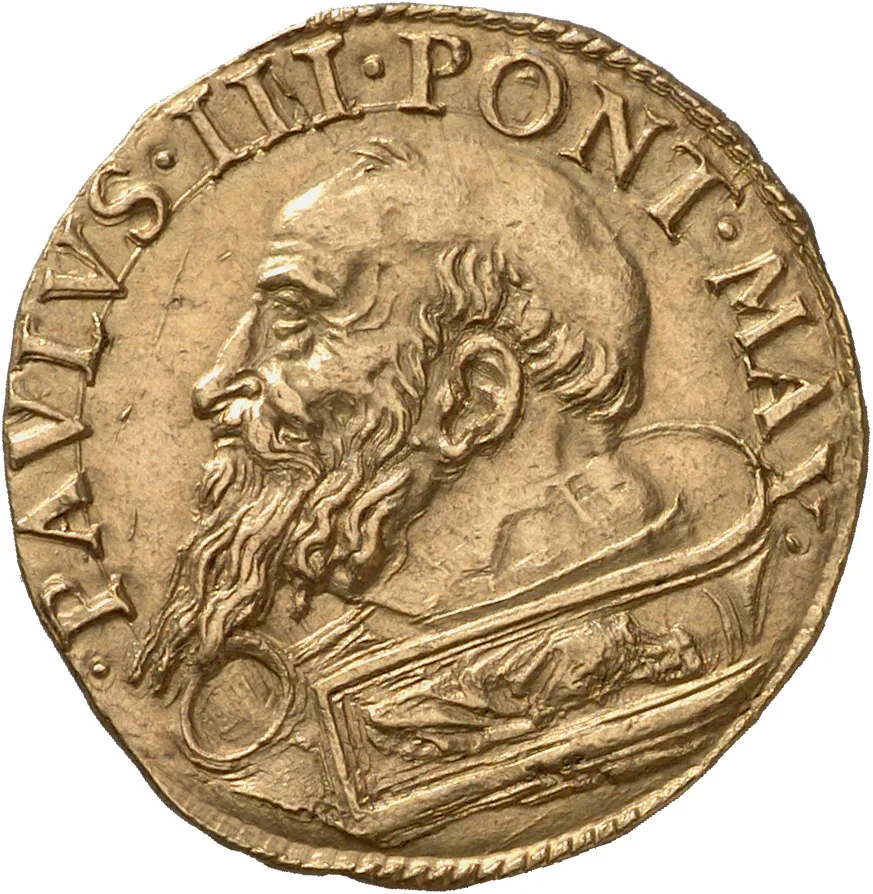
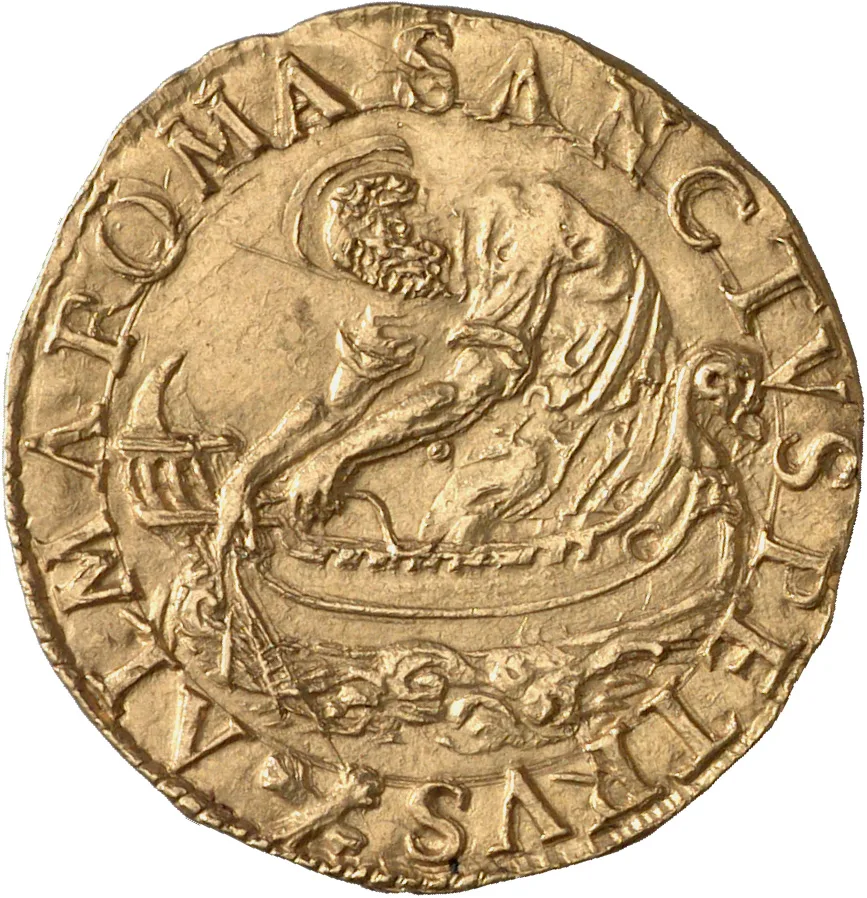
A gold two-ducat piece from the Rome mint is attributed to Pope Paul III, 1534–1549. His portrait appears on one face; St. Peter appears as a fisherman in a boat on the other.Source: Staatliche Museen zu Berlin, Kirchenstaat: Paul III.Opens in a new tabGo to the list of sources
A later Savoy silver coin in the Italian cultural heritage catalog is dated 1553–1580 and bears Emanuele Filiberto’s initials. Its description records crowned arms and a cross with lily-shaped ends.Source: Istituto Centrale per il Catalogo e la Documentazione, ICCD coin record 0500508211Opens in a new tabGo to the list of sources
The National Museum of American History also records a silver Florentine piastra dated 1575. Orsini’s 1756 history describes a silver piastra dated 1575 with Francesco de’ Medici’s bust on one face and John the Baptist standing on the other (p. 38).Source: Smithsonian Open Access, 1 Piastra, Florence, Tuscany, Italy, 1575Opens in a new tabGo to the list of sourcesSource: Ignazio Orsini, works of 1756 and 1760, Ignazio Orsini, Storia delle monete de’ Granduchi di Toscana (1756)Opens in a new tabGo to the list of sources
Volume VIII of the catalog records a silver scudo under Doge Leonardo Donà (1606–1612), with a cross on one side and a lion on the other.Source: Corpus Nummorum Italicorum, original volumes V–VIII, Corpus Nummorum Italicorum, vol. 8 (1917): Venice from Leonardo Donà to the mint closureOpens in a new tabGo to the list of sources
Promis’s account of Vercelli’s 1638 siege describes quarter-lira and half-soldo coins. On October 30, 1638, Duchess Maria Cristina ordered the Coins with a low silver content (Head, Historia Numorum, 1911, p. 557).Source: Oxford Clarendon Press, Historia Numorum (1911), Barclay V. Head, Historia Numorum: A Manual of Greek Numismatics, new and enlarged edition (1911)Opens in a new tab struck during the siege melted and converted into soldi for soldiers’ pay. Promis reports it on p. 98 in the 1836 volume; it appears on p. 23 of the 1903 second edition.Source: Promis historical works, Domenico Casimiro Promis, Monete ossidionali del Piemonte, in Memorie XXXIX (1836), pp. 87–107Opens in a new tabGo to the list of sourcesSource: Promis historical works, Domenico Casimiro Promis, Monete ossidionali del Piemonte (1903 second edition, edited by L. De-Mauri)Opens in a new tabGo to the list of sources
A lira before unification
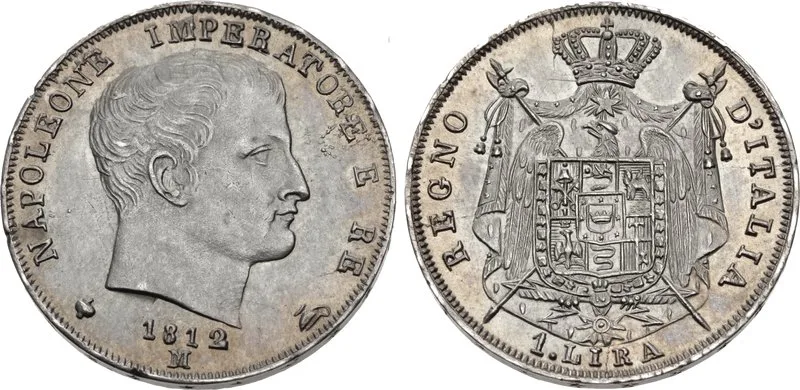
The coin catalog places its one-lira coin of 1812 in the definitive coinage of Napoleon's Kingdom of Italy.Source: Corpus Nummorum Italicorum, original volumes V–VIII, Corpus Nummorum Italicorum, vol. 5 (1914): Lombardia, MilanoOpens in a new tabGo to the list of sources The national lira adopted from 1862 came instead from Piedmont and Sardinia.Source: Bank for International Settlements, Italy — Historical monetary and financial statistics for policymakersOpens in a new tabGo to the list of sources
The national lira and regional note issuers
Piedmont and Sardinia’s lira became Italy’s national currency. From 1862 it replaced the former states’ currencies. Most of the former states’ note-issuing banks retained the right to issue notes.Source: Bank for International Settlements, Italy — Historical monetary and financial statistics for policymakersOpens in a new tabGo to the list of sources
The 1862 law also governed how people used the lira. It listed gold, silver, and bronze coins for the state mints. Contracts, public deeds, public accounting registers, and other documents concerning public interests had to state values in lire and centesimi; private documents followed from January 1, 1863. Nobody had to accept more than 50 lire in small-denomination silver coins in payment, although public treasuries accepted them without that limit. Bronze coins could be used in payments only to complete fractions of a lira.Source: Gazzetta Ufficiale del Regno d’Italia, Gazzetta Ufficiale del Regno d’Italia, no. 209, 3 September 1862 (Law no. 788 of 24 August 1862)Opens in a new tabGo to the list of sources
Italy initially adopted a standard based on both silver and gold. Notes could not always be converted into gold. Periods of compulsory acceptance without gold conversion, known as corso forzoso, ran from 1866 to 1882 and again from 1894 into the early twentieth century.Source: Bank for International Settlements, Italy — Historical monetary and financial statistics for policymakersOpens in a new tabGo to the list of sources
After a banking crisis, the 1893 law merged Banca Nazionale and two Tuscan issuing banks to form the The bank established in 1893 by merging Banca Nazionale with the two Tuscan banks of issue.Source: Bank for International Settlements, Italy — Historical monetary and financial statistics for policymakersOpens in a new tab. The new bank liquidated Banca Romana. Issuing banks fell from six to three.Source: Bank for International Settlements, Italy — Historical monetary and financial statistics for policymakersOpens in a new tabGo to the list of sources
War and the value of the lira
After the First World War, the lira lost value against foreign currencies and domestic prices rose. The government reversed course in 1926–1927, revaluing it against sterling. The Bank of Italy gained the monopoly of note issuance and banking supervision powers. Gold conversion formally resumed in December 1927, but was effectively suspended in 1935. In 1936, the lira was devalued by 41%. The Banking Law made the Bank of Italy a public institution, ended its commercial banking activity and limited ownership to public entities.Source: Bank for International Settlements, Italy — Historical monetary and financial statistics for policymakersOpens in a new tabGo to the list of sources
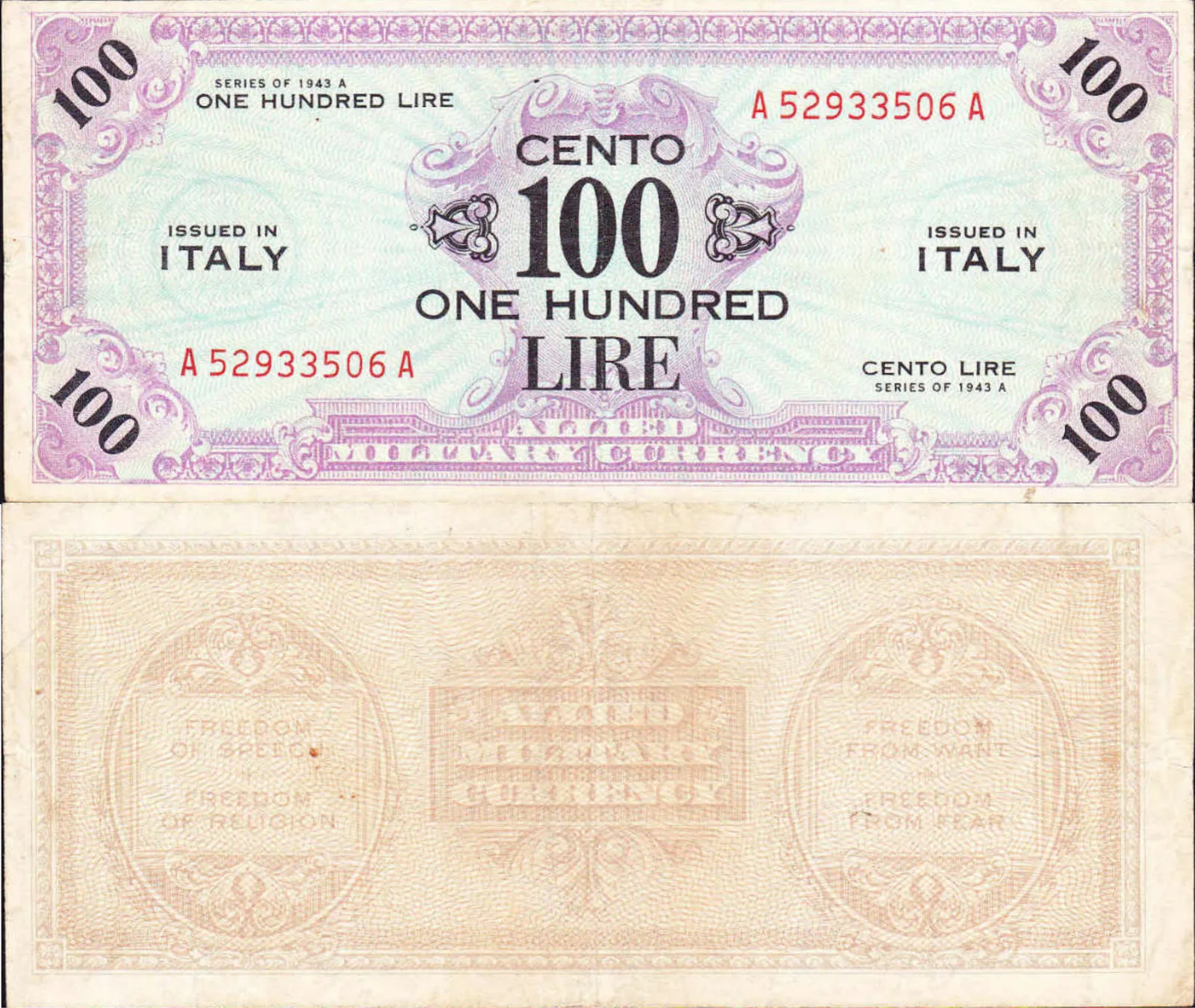
The banknote below was printed for Allied forces in Italy.Source: U.S. Currency Education Program, 100 Lire, Allied Military CurrencyOpens in a new tabGo to the list of sources
In a 2011 speech, Mario Draghi described the inflation after the Second World War: the lira fell to a thirtieth of its prewar value. Monetary stabilization under Luigi Einaudi and Menichella ended that inflation. During the 1950s, Italy combined monetary stability with economic growth.Source: Bank for International Settlements, The culture of monetary stability from unification to the present dayOpens in a new tabGo to the list of sources
Italy’s postwar participation in the The system of fixed exchange rates agreed at Bretton Woods, New Hampshire, in 1944, with the US dollar as its anchor currency.Source: Deutsche Bundesbank, 1973: The end of Bretton Woods When exchange rates learned to floatOpens in a new tab involved a fixed exchange rate against the US dollar. Its collapse in 1971–1973 brought marked instability.Source: Bank for International Settlements, Italy — Historical monetary and financial statistics for policymakersOpens in a new tabGo to the list of sources
Draghi describes how double-digit inflation then reduced households’ purchasing power, while devaluations offered only temporary relief.Source: Bank for International Settlements, The culture of monetary stability from unification to the present dayOpens in a new tabGo to the list of sources
Italy entered a European exchange-rate agreement in 1972 but left less than a year later.Source: Bank for International Settlements, Italy — Historical monetary and financial statistics for policymakersOpens in a new tabGo to the list of sources
The lira participated in a new European exchange-rate agreement from March 1979. It left in September 1992 and returned in November 1996, before Italy joined the euro.Source: Bank for International Settlements, Annual Report 1979Opens in a new tabGo to the list of sourcesSource: Bank for International Settlements, Annual Report 1993Opens in a new tabGo to the list of sourcesSource: Bank for International Settlements, Annual Report 1997Opens in a new tabGo to the list of sources
From lire to euros
Italy joined the euro at its introduction in 1999. Euro banknotes and coins replaced national cash in 2002. The fixed conversion rate was €1 = 1,936.27 lire.Source: European Central Bank, Our moneyOpens in a new tabGo to the list of sources Figures computed by FXtab from:European Central Bank, Italy: exchange of national banknotes and coinsOpens in a new tabGo to the list of sources
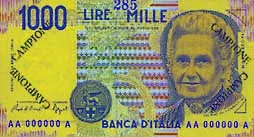
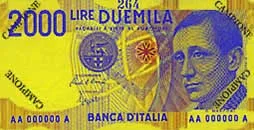
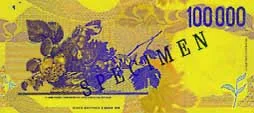
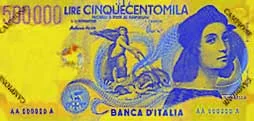
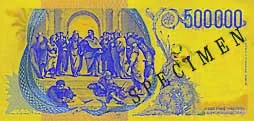
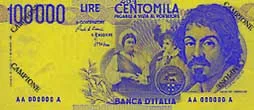
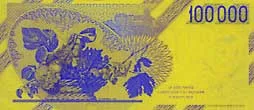
The lire notes below show the national currency replaced by euro cash. The ECB’s collection presents values from 1,000 to 500,000 lire, including an earlier and a newer 100,000-lire design.Source: European Central Bank, Our moneyOpens in a new tabGo to the list of sourcesSource: European Central Bank, ItalyOpens in a new tabGo to the list of sources


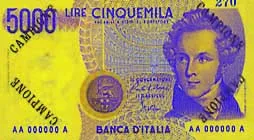

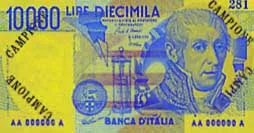

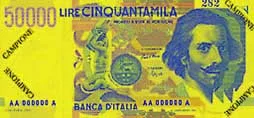

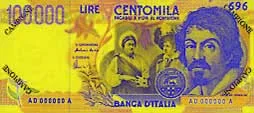
- 480–460 BCESyracuse tetradrachmThe Berlin catalog identifies Syracuse in Sicily as this silver coin’s mint.Source: Staatliche Museen zu Berlin, Syrakus, 480–460 BCEOpens in a new tabGo to the list of sources
- From 211 BCERoman denariusThe Berlin catalog dates the illustrated coin from 211 BCE.Source: Staatliche Museen zu Berlin, Römische Republik, from 211 BCEOpens in a new tabGo to the list of sources
- 1019–1045Aquileia denaroThe catalog assigns this coin to the patriarchate of Poppo.Source: Corpus Nummorum Italicorum, original volumes V–VIII, Corpus Nummorum Italicorum, vol. 6 (1922): Veneto minor mints and Dalmatia–AlbaniaOpens in a new tabGo to the list of sources
- 1252Florentine gold coinageFlorence begins minting gold coins.Source: Deutsche Bundesbank, Sign of the lily: gold florin of FlorenceOpens in a new tabGo to the list of sources
- 1284Venetian gold coinageThe Great Council decides to mint a gold coin matching the florin’s weight and purity.Source: Deutsche Bundesbank, Let this be given to you, O Christ: the ducat of VeniceOpens in a new tabGo to the list of sources
- 1638Vercelli siege coinsThe billon coins struck during the siege are ordered melted for soldiers’ pay.Source: Promis historical works, Domenico Casimiro Promis, Monete ossidionali del Piemonte, in Memorie XXXIX (1836), pp. 87–107Opens in a new tabGo to the list of sources
- 1812One-lira coinThe catalog places this coin in Napoleon's Kingdom of Italy.Source: Corpus Nummorum Italicorum, original volumes V–VIII, Corpus Nummorum Italicorum, vol. 5 (1914): Lombardia, MilanoOpens in a new tabGo to the list of sources
- 1862National liraRegional currencies give way.Source: Bank for International Settlements, Italy — Historical monetary and financial statistics for policymakersOpens in a new tabGo to the list of sources
- 1893Bank of ItalyThree issuing banks merge.Source: Bank for International Settlements, Italy — Historical monetary and financial statistics for policymakersOpens in a new tabGo to the list of sources
- 1926–1936Revaluation, then devaluationThe lira was revalued against sterling, then devalued.Source: Bank for International Settlements, Italy — Historical monetary and financial statistics for policymakersOpens in a new tabGo to the list of sources
- 1943Allied 100-lira noteA dated banknote printed for Allied forces in Italy.Source: U.S. Currency Education Program, 100 Lire, Allied Military CurrencyOpens in a new tabGo to the list of sources
- 1950sPostwar stabilityItaly combines monetary stability and economic growth after postwar inflation.Source: Bank for International Settlements, The culture of monetary stability from unification to the present dayOpens in a new tabGo to the list of sources
- 1972–1979European exchange agreementsItaly exits one, then joins another.Source: Bank for International Settlements, Italy — Historical monetary and financial statistics for policymakersOpens in a new tabGo to the list of sources Source: Bank for International Settlements, Annual Report 1979Opens in a new tabGo to the list of sources
- 1992–1996Exit and returnThe lira leaves the European exchange agreement in 1992 and returns in November 1996.Source: Bank for International Settlements, Annual Report 1993Opens in a new tabGo to the list of sources Source: Bank for International Settlements, Annual Report 1997Opens in a new tabGo to the list of sources
- 1999–2002Euro and euro cashItaly adopts the euro in 1999; notes and coins follow in 2002.Source: European Central Bank, Our moneyOpens in a new tabGo to the list of sources
At that conversion rate, an illustrative 100,000 lire equals €51.65, rounded to cents. This calculation converts a denomination. It does not adjust for changes in prices.Figures computed by FXtab from:European Central Bank, Italy: exchange of national banknotes and coinsOpens in a new tabGo to the list of sources
Sources
Selected pre-unification coin records: Corpus Nummorum Italicorum, volumes VI (1922), VII (1915), and VIII (1917).
FXtab adapted and translated the Great Council definition from Catalogo generale dei Beni Culturali, record 0500641091, under CC BY 4.0.
Historical account: Federico Barbiellini Amidei’s chapter on Italy and Mario Draghi’s speech, published by the BIS. The original content can be found at BIS: Italy and BIS: The culture of monetary stability. FXtab summarizes these accounts. Source: Deutsche Bundesbank for the Florence and Venice coinage account. FXtab adapted its prose from the Florentine florin and Venetian ducat records. Coin descriptions are adapted from the Münzkabinett Berlin catalog under CC BY-SA 4.0; those adapted descriptions retain that license. Euro conversion: European Central Bank. FXtab computes the example.
FXtab adapted and translated regional coin descriptions from the Catalogo generale dei Beni Culturali: genovino record and Emanuele Filiberto record, under CC BY 4.0.
Source: Bank for International Settlements; the original annual reports are linked above.